Noticeable warning signs you should not ignore
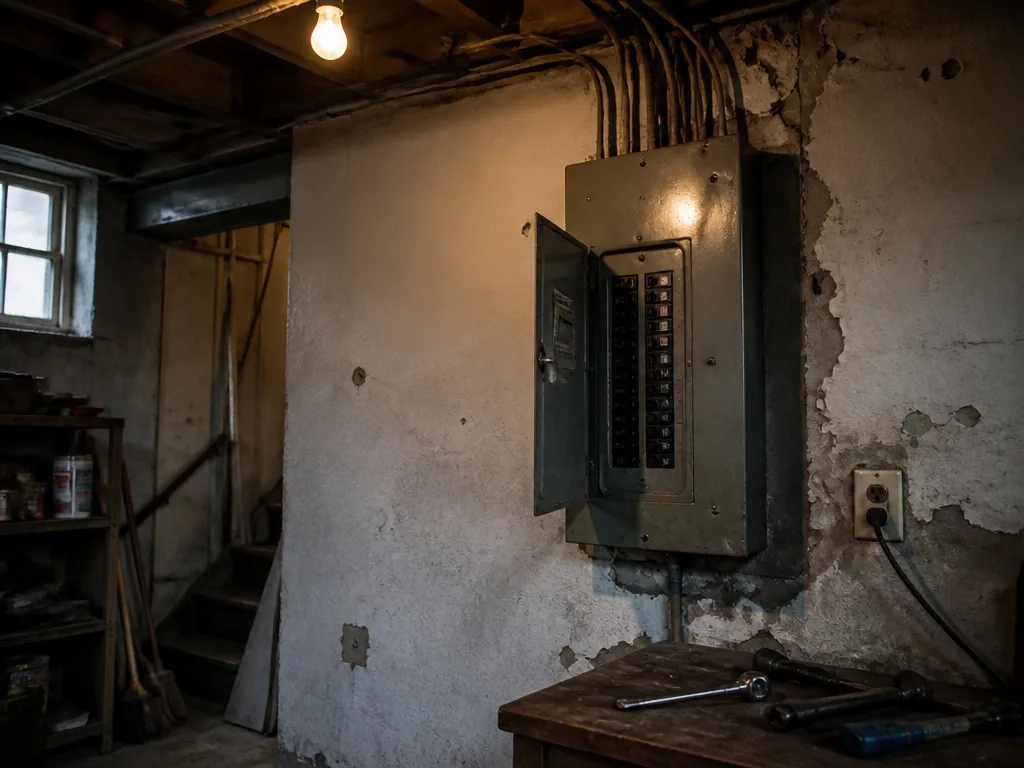
Across West Virginia, a subpanel is a key part of a home’s electrical system. When it starts to show trouble, the results can range from nuisance trips to real fire hazards. A faded or scorching smell near the subpanel, a panel that feels warm to the touch, or circuit breakers that trip repeatedly are red flags. These symptoms don’t fix themselves. Our crew in West Virginia is trained to assess the issue safely and identify whether a simple fix, a part replacement, or a full upgrade is needed.
Another common indicator is dimming lights when an appliance starts up. If you notice flickering lights in multiple rooms, or you hear buzzing or crackling behind the panel, that can point to loose connections or overloads. In West Virginia homes, weather swings can stress electrical systems, making proper sizing and protection even more important. Do not ignore unusual sounds, smells, or heat near the subpanel; they don’t resolve on their own.
What to check before you call
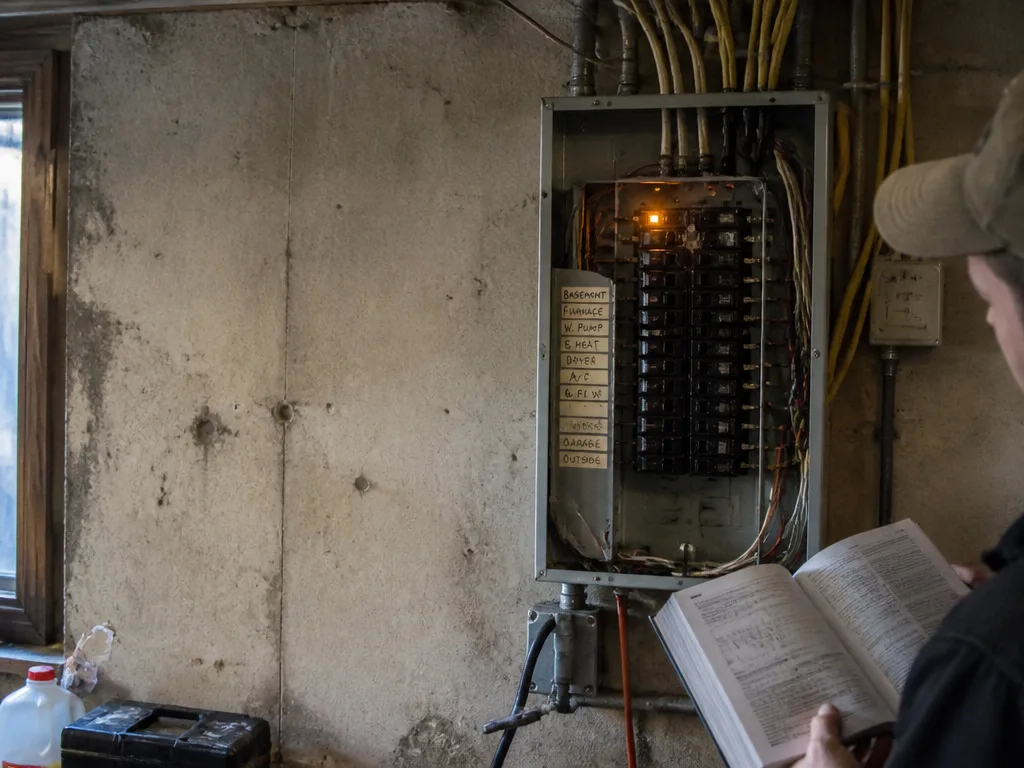
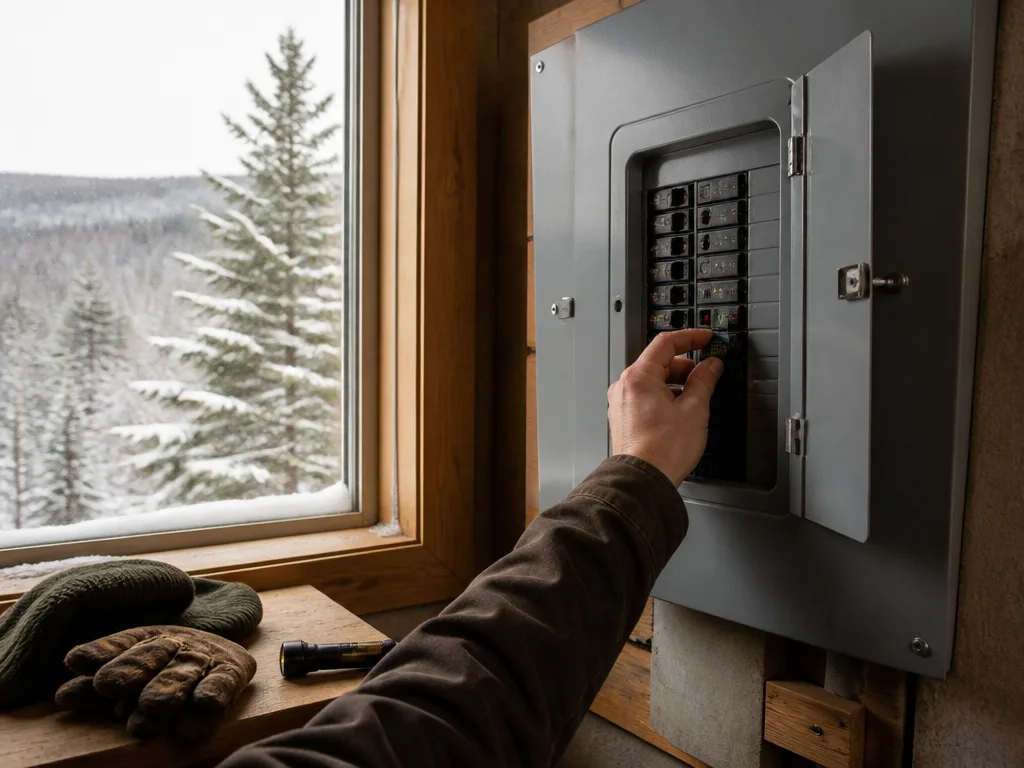
Make note of what was running when you saw the warning. Was the home using an air conditioner, a space heater, or a large kitchen appliance? Record any trips you experienced and the approximate time. If you can safely access the subpanel without moving heavy furniture or standing on a wet surface, take a quick look for signs of damage like scorching marks or melted insulation. Do not attempt to repair wiring yourself; a trained electrician must inspect and service the panel.
Keep a simple record for your West Virginia home: panel model, any labels, and the breakers that repeatedly trip. This helps our team diagnose the problem faster and reduces the time your home may be without power. A professional evaluation also ensures the subpanel and its main disconnect are correctly sized for your current load and future needs.
Next steps when you notice trouble
Schedule a safety check with West Virginia Subpanel Installation. Our crews in every West Virginia metro area can evaluate heat, signs of wear, and overall load. We’ll test each breaker, inspect the feeder cable, and review the panel’s ground and bonding configuration. If wiring shows wear or if the panel is undersized for your home’s needs, we’ll present clear options that fit your budget and your home’s layout.
Finally, consider preventative upgrades. If you’ve added high-demand appliances or aEV charger, an upgrade to a larger subpanel or improved circuits may be wise. In West Virginia, a pro assessment now can prevent outages later and improve safety for your family.
- When in doubt about a warm panel, call for an inspection.
- Avoid plugging heavy loads into nearby extensions or multi-outlet strips.
- Keep the area around the subpanel clear and dry.