Understanding the risk ladder
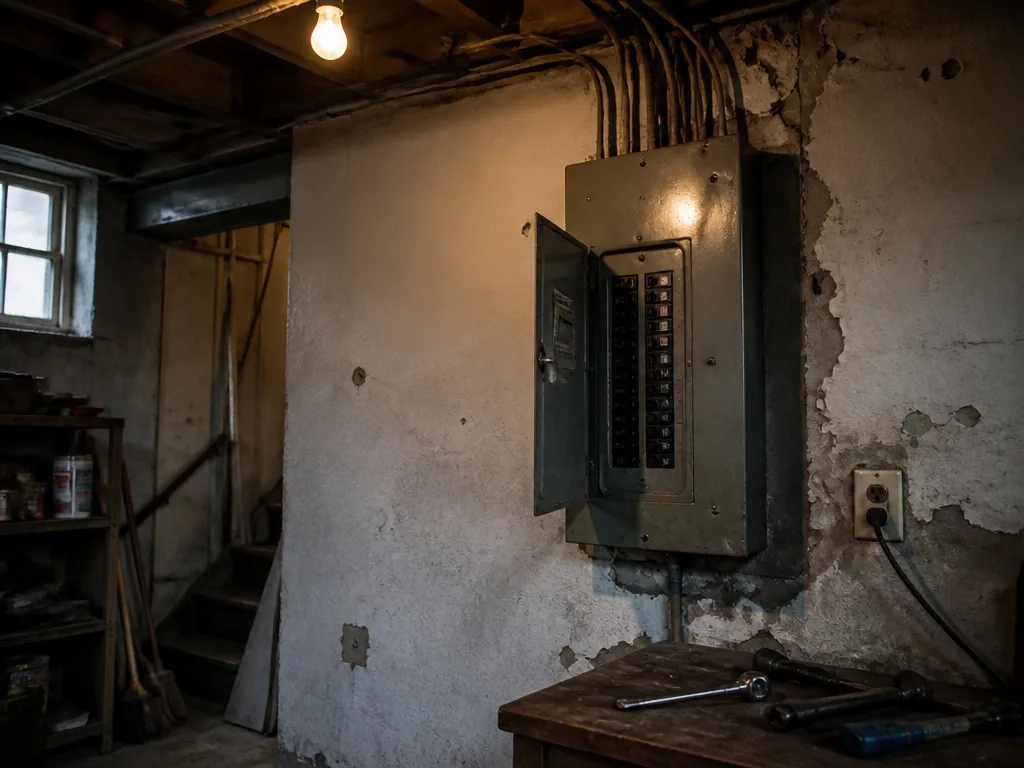
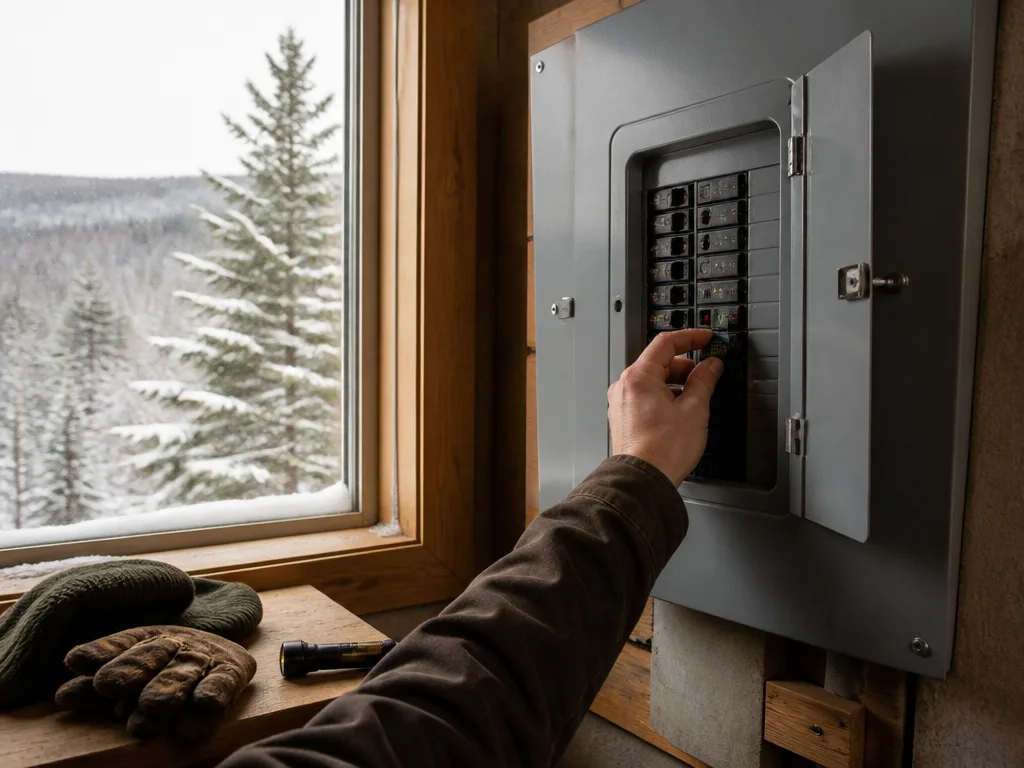
In West Virginia, handling a subpanel issue starts with knowing what you should and shouldn’t do. Basic tasks like resetting a tripped breaker or unplugging a device are common sense, but anything involving wiring inside the subpanel requires a licensed electrician. The subpanel houses energized components that can cause serious injury if mishandled. Our electricians follow strict safety practices to protect your home and your family.
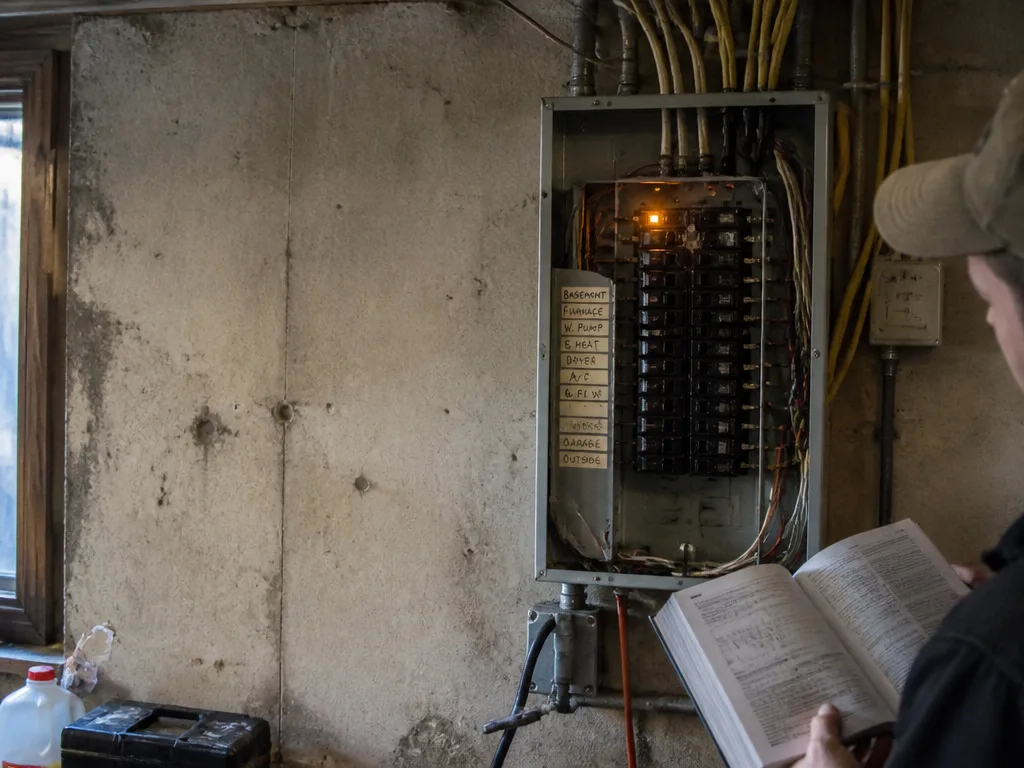
DIY may be appropriate for simple, non-electrical tasks or for planning. For example, you can map out which circuits serve which rooms to understand load distribution. You should not attempt to open or adjust the subpanel unless you have training and the right tools. Working near a live panel is dangerous, and mistakes can lead to fires or shock hazards that affect the entire home.
When to call a pro
If you notice persistent tripping, a warm or discolored panel, buzzing noises, or a burning smell, stop what you’re doing and contact a licensed electrician. In West Virginia, a pro will perform a thorough inspection, test for grounding and bonding integrity, and verify that the conduit and feeders are correctly sized for your load. If you’re upgrading appliances or adding a new EV charger, a professional assessment ensures your subpanel and main service can handle the extra demand.
Other scenarios to prompt a call include random outages, flickering lights that follow no obvious pattern, and any work near the panel itself. A careful, professional approach protects your property and reduces the risk of property damage or personal injury. Our team in West Virginia is ready to help with clear, practical recommendations based on a real inspection.
Practical guidelines for homeowners
Document symptoms with dates and times. Do not touch wires or attempt to move breakers during a problem. If a breaker trips during a storm or when you run a large load, note the weather and the load. This information helps our electricians determine whether the issue is a ground fault, a neutral problem, or a simple overload. For most homeowners, the safest path is to schedule a diagnostic visit rather than guessing and troubleshooting yourself.